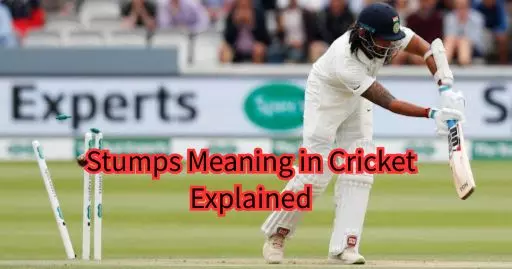
In cricket, few terms confuse new fans as much as “stumps.” The reason is simple: the word carries two distinct meanings, depending on context.
First, stumps refer to the three vertical wooden posts that form the wicket—the primary target for bowlers and the last line of defense for batters. Second, in Test cricket, stumps mark the official end of a day’s play. Broadcasters, umpires, and players all use the term to signal that action will resume the next day.
Whether you follow the IPL or long-form Test matches, understanding both meanings helps you read the game more clearly.
This guide explains what cricket stumps are, how they function, and why umpires “call stumps” in multi-day matches.
The Physical Meaning: What Are Cricket Stumps?
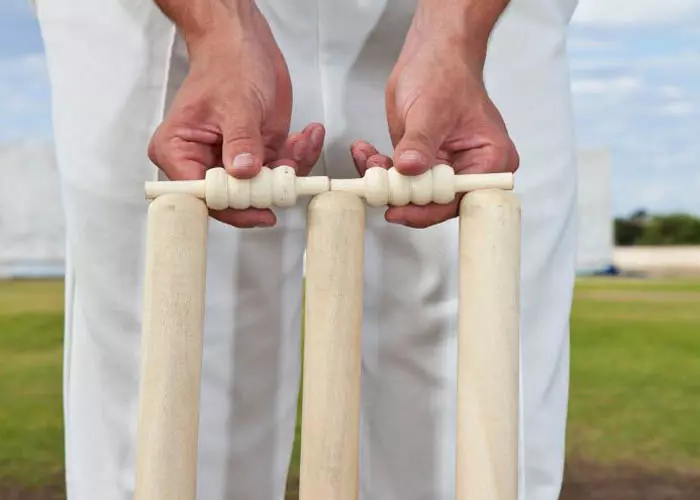
Every dismissal in cricket revolves around the wicket. A wicket consists of three upright stumps with two bails resting on top. Although they look simple, stumps must meet strict international standards.
Official Specifications and Dimensions
The Marylebone Cricket Club (MCC), which governs the Laws of Cricket, defines the following requirements:
- Each stump stands 28 inches (71.12 cm) above the ground
- The stump’s diameter measures between 1.38 and 1.5 inches
- Manufacturers traditionally use ash wood for durability and flexibility
In modern professional cricket, many matches use composite stumps. These house cameras, microphones, and sensors for broadcast and decision review systems.
The Three Stumps Explained
Each stump carries a positional name based on the batter’s stance:
- Off stump: Positioned on the bat side; bowlers often attack this line to force edges
- Middle stump: The central stump and the primary target for “bowled” dismissals
- Leg stump: Located on the batter’s leg side; umpires use it to judge leg-side wides
How Stumps Have Evolved
Cricket no longer relies only on traditional wooden stumps. Major tournaments such as the IPL and ICC events now use LED “Zing” stumps. These light up instantly when the bails move, removing doubt in tight run-out and stumping decisions.
“Calling Stumps”: The Time-Based Meaning in Test Cricket
Beyond the equipment, stumps also define time in Test cricket.
What Does “At Stumps” Mean?
In a five-day Test match, play pauses at the end of each scheduled day. When this happens, the umpire calls stumps, officially ending play until the next morning.
For example, if commentators say, “India are 300 for 4 at stumps,” it means Day 1 has concluded at that score.
The End-of-Day Ritual
To signal this pause, the umpire removes the bails from the stumps at the bowler’s end. This centuries-old tradition clearly communicates that play has stopped. It brings structure and closure to a format built on endurance.
Why You Don’t Hear This in ODIs or T20s
Limited-overs matches finish in one day. Because play does not resume the next morning, umpires do not “call stumps” in ODIs or T20s, including the IPL.
Stumping: A Key Method of Dismissal
Stumps also play a central role in one of cricket’s quickest dismissals.
What Does “Stumped” Mean?
A batter is stumped when:
- They step out of the crease to play a shot
- They miss the ball
- The wicket-keeper breaks the wicket before the batter returns
The batter must not attempt a run. If they do, officials classify the dismissal as a run-out.
Stumping vs. Run Out
The difference depends on intent:
- Stumping: The batter advances only to hit the ball
- Run out: The batter attempts a run
Why the Crease Matters
The popping crease determines safety. To survive, some part of the bat or foot must remain grounded behind the line. If the batter lifts the foot or lands on the line, the wicket-keeper can complete the stumping.
Conclusion
The term stumps sits at the heart of cricket’s structure and symbolism. It represents both the physical wicket and the moment when play pauses in Test matches. From glowing LED stumps in the IPL to the quiet removal of bails at the end of a long Test day, stumps shape how the game looks, feels, and flows.
The next time you hear, “Stumps on Day 1,” you will know it signals more than equipment—it marks a strategic pause in cricket’s longest battle.
Frequently Asked Questions (FAQs)
Read More: